Ice Ice Baby - Chewing Ice: A Cool Habit with Not-So-Cool Consequences
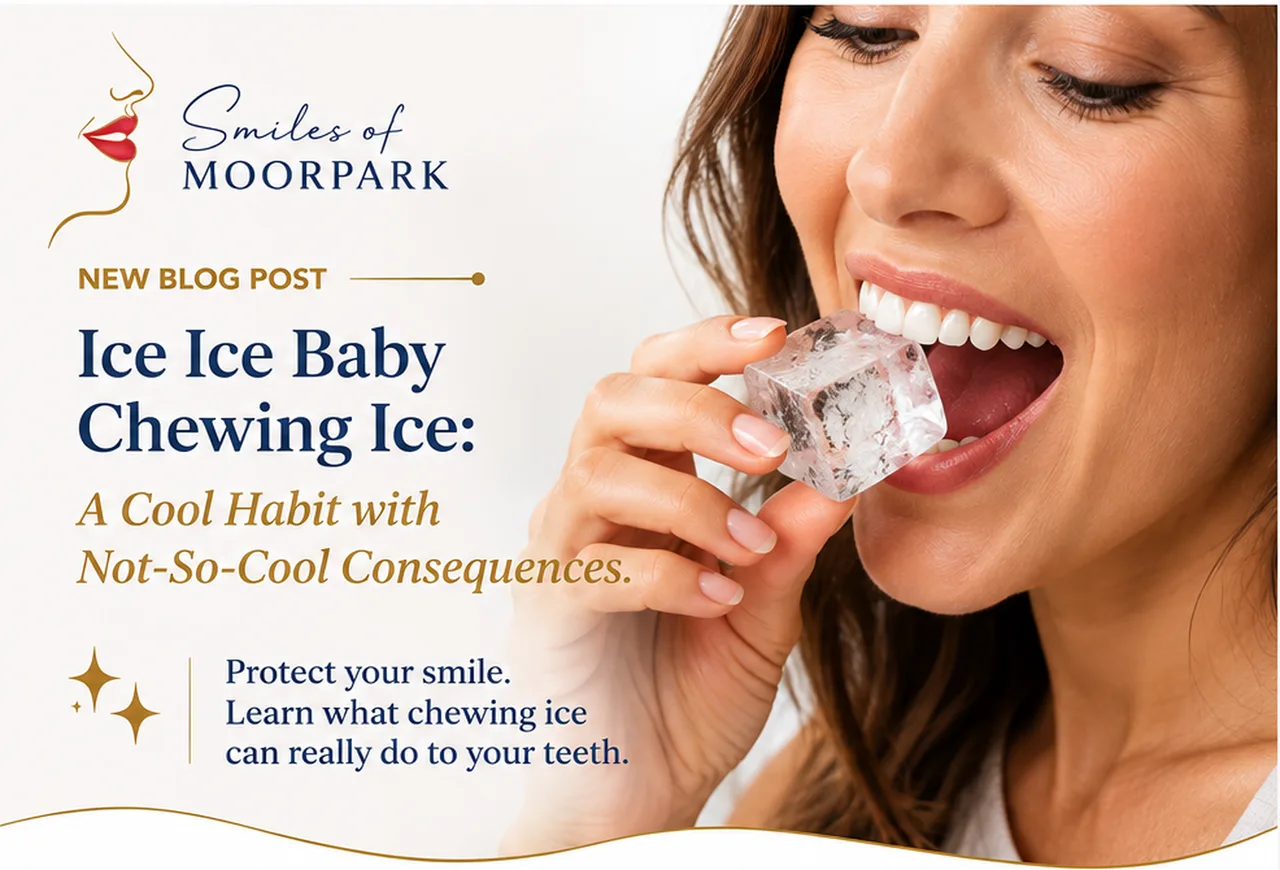
Learn about is Chewing Ice Bad for Your Teeth? with practical guidance from Smiles of Moorpark.
Do you find yourself absentmindedly chewing on ice? Do you enjoy the cooling sensation, especially in Moorpark and Thousand Oaks' hot climate? While it may seem harmless now, ice chewing can lead to long-term dental issues like cracks, sensitivity, and enamel erosion. Understanding these risks can motivate you to protect your oral health before damage occurs.
The Chilling Truth: How Chewing Ice Can Harm Your Teeth
1. Damages Tooth Enamel
Your teeth are protected by a strong outer layer called enamel, which helps prevent decay and sensitivity. However, chewing on hard ice cubes can wear down the enamel, making your teeth more vulnerable to cracks, fractures, and other damage. Once enamel wears away, it cannot regenerate, increasing the risk of long-term dental problems.
2. Increases Tooth Sensitivity
Repeated exposure to extremely cold temperatures can cause microscopic cracks in your teeth. Over time, this leads to increased sensitivity to hot and cold foods, making simple pleasures like sipping coffee or enjoying ice cream uncomfortable.
3. Makes You More Prone to Cavities
Weakened enamel from ice chewing creates ideal conditions for cavities. With less protection, bacteria and acids can penetrate deeper into the tooth, leading to decay that may require fillings or even more extensive dental work.
4. Can Break Your Teeth
Chewing ice can cause a part of your tooth to break off, especially if the tooth already has a large filling or a small crack. If part of a tooth breaks off, you may need extensive treatment or lose the tooth.
5. May Be a Sign of Iron Deficiency
Craving and compulsively chewing ice—known as pagophagia—has been linked to iron deficiency. While the exact reason is unclear, studies suggest that many people who frequently crave ice have low iron levels. If you often catch yourself chewing ice, it may be worth discussing with your doctor.
What to Do If You Chew Ice
If you have a habit of chewing ice and are worried about its effects on your teeth, here's what you can do:
✔️ Try Sugar-Free Gum – This can satisfy the urge to chew without harming your enamel.
✔️ Drink Chilled Beverages Without Ice – You'll still enjoy a cool drink without the temptation to crunch.
✔️ Let Ice Melt in Your Mouth – If you enjoy the cold sensation, try letting the ice dissolve instead of chewing it.
✔️ Check Your Iron Levels – If you have an intense craving for ice, consider getting tested for an iron deficiency.
Concerned About Your Teeth? We Can Help!
Google "dentist near me" or schedule a dental checkup with the Smiles of Moorpark. We can give you peace of mind, assess any damage, provide necessary treatment, and help you maintain a strong, healthy smile for life.
A cool habit doesn't have to lead to costly dental issues—protect your teeth and make a change today!
Your next step
Explore treatment options or contact our team to discuss your needs.
Your next step
Questions about what’s right for you?
Bring your questions to Smiles of Moorpark. We’ll help you understand your options and plan care around your needs.